Exploring the psychology of casino game players
The Allure of Risk and Reward
The psychological dynamics of risk and reward are fundamental in understanding why individuals are attracted to casino games. The thrill of potentially winning money creates an exhilarating experience that triggers the release of dopamine, a neurotransmitter linked to pleasure and reward. This neurochemical response not only motivates players to engage in gambling activities but also predisposes them to overlook the unfavorable odds they encounter, particularly when they explore options like casino online platforms. The anticipation of winning, even if it is infrequent, acts as a powerful catalyst for players, leading them into a cycle of repeated gambling activities that can be difficult to break.
Moreover, the concept of perceived control is crucial in comprehending player behavior within casinos. Many players harbor the belief that they can influence their outcomes, especially in games perceived as skill-based. This illusion fosters a false sense of confidence, which can encourage individuals to gamble more aggressively. For instance, poker players often feel a deeper connection to their results because their decisions directly influence the game’s outcome, contrasting sharply with luck-based games like slots, where players have no control over the results. This false sense of empowerment can lead to increased betting and a stronger emotional investment in the game, blurring the lines between strategy and chance.
Additionally, the casino environment is meticulously designed to enhance this psychological experience for players. Elements such as bright lights, captivating sounds, and strategically placed gaming machines create an immersive atmosphere that keeps individuals engaged. This sensory overload not only captivates players’ attention but can also create an emotional response that compels them to spend more time and money. Understanding these psychological complexities is essential for both players and casino operators, as it highlights the often thin line between entertainment and addiction, raising awareness about responsible gambling practices.
The Role of Social Interaction
Social dynamics significantly influence the casino experience, making gambling more than just a solitary activity. For many players, the thrill of the game is intertwined with the social interactions that accompany it. Whether at a crowded poker table or a spirited blackjack game, the sense of camaraderie among players enhances enjoyment and fosters a sense of belonging. This social aspect can be particularly attractive for individuals who might feel isolated or lonely, providing a communal space where they can bond over shared interests and experiences while pursuing a common goal, the thrill of winning.
The presence of dealers and fellow players can amplify the excitement, making the gambling experience more engaging and memorable. People often feed off the energy of those around them, and the shared highs and lows of winning and losing can create strong social bonds. For example, winning a significant hand in poker can lead to celebratory moments among players, reinforcing positive feelings and enhancing the overall experience. This social reinforcement encourages players to return for subsequent games, as they seek to relive those moments of joy and connection.

On the flip side, social pressure can lead to increased gambling behavior. Players may feel compelled to wager more than they initially intended, driven by the desire to impress others or fit into certain social circles. This pressure can create a dangerous cycle, where individuals chase losses to maintain an image of success or increase collective enjoyment among peers. Such behaviors can pave the way for irresponsible gambling, underscoring the importance of understanding the social dynamics at play within casino environments and their impact on individual decisions.
The Impact of Cognitive Biases
Cognitive biases play a pivotal role in shaping how players perceive gambling outcomes and their own abilities. One of the most prevalent biases is known as the “gambler’s fallacy.” This cognitive distortion leads players to believe that past outcomes can influence future results. For instance, a player might think that if a slot machine has not paid out for a while, it must be “due” for a win. Such flawed reasoning can prompt misguided decisions and lead to extended gameplay, illustrating how cognitive errors can enhance the gambling experience, despite the inherent randomness of the outcomes.
Another pertinent bias is the “illusion of control,” which manifests when players believe their actions can influence the results of games. This belief is particularly pronounced in games that involve strategy, such as poker, where players feel their skill can make a difference. Consequently, players may overestimate their abilities, which can lead them to wager more money than they should, convinced they can outmaneuver the game or their opponents. This cognitive distortion blurs the lines between luck and skill, creating a false sense of confidence that may result in significant losses.
Moreover, a focus on past successes can further disconnect players from reality. Individuals who have enjoyed substantial wins may relentlessly chase that sensation, neglecting the statistical improbability of replicating such victories. This retrospective thinking can lead to increased gambling involvement, as players invest more time and money in pursuit of that euphoric experience. Understanding these cognitive biases is crucial for players, as recognizing them can help mitigate the risks associated with gambling and encourage more informed decision-making.
Addiction and Its Consequences
The potential for addiction in gambling is a critical concern that emerges from understanding the psychology of players. What may start as a recreational escape can quickly evolve into compulsive behavior, leading to dire consequences. The intoxicating mix of winning thrills, social interactions, and cognitive biases can create a perfect storm for addiction, impacting individuals from diverse backgrounds and walks of life. This transformation can happen subtly, often going unnoticed until significant damage has been done.
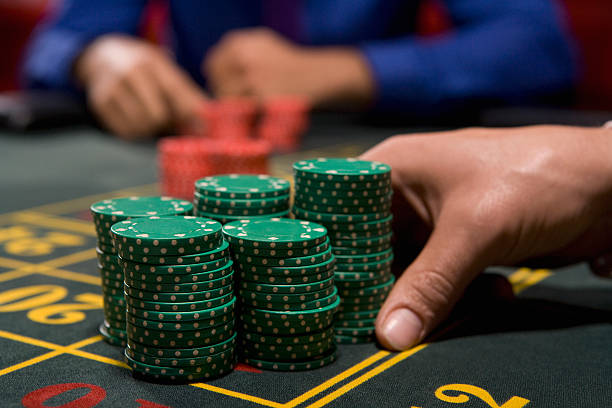
One of the challenges in addressing gambling addiction is the stigma associated with it. Many individuals may deny their gambling problems due to societal perceptions, which can prevent them from seeking necessary help. This denial often exacerbates their situation, leading to financial ruin, strained relationships, and declining mental health. Family ties may fray under the strain of gambling-related stress, jobs can be jeopardized, and mental health issues such as anxiety and depression can emerge as a result of the pressures associated with gambling addiction.
Recognizing the signs of gambling addiction is essential for both players and their loved ones. Common indicators include lying about gambling habits, borrowing money to fund gambling activities, and experiencing drastic mood swings related to wins and losses. Awareness of these signs can empower individuals to seek help before the situation worsens. With proper support and counseling, those affected by gambling addiction can embark on a path to recovery, utilizing resources dedicated to addiction treatment and support networks.
Understanding Casino Websites and Their Influence
As technology progresses, online casinos have become a popular alternative to traditional gambling establishments, introducing unique psychological challenges. The convenience of accessing casino games from home can deepen engagement but also presents increased risks of addiction. Online platforms are designed to captivate users, employing enticing visuals, immersive sound effects, and attractive bonuses that can entice players into prolonged gaming sessions. This digital allure can create an environment where players lose track of time and money spent.
The anonymity associated with online gambling significantly influences player behavior. Without the social cues and accountability present in physical casinos, players may feel detached from their actions. This detachment can foster riskier betting behavior, as individuals may not fully grasp the extent of their gambling activities. Additionally, online casinos often use algorithms to encourage repeat play, embedding players further into their gaming experience and potentially leading to problematic gambling behaviors that may go unnoticed until it’s too late.
Understanding these dynamics is vital for players navigating the online gambling landscape. Being aware of the psychological triggers employed by online casinos can empower players to make informed decisions and set healthy boundaries. As the industry increasingly shifts focus towards responsible gaming, many online platforms are integrating tools that enable players to monitor their spending and set limits, promoting a safer gambling environment. By acknowledging the psychology behind casino gaming, players can appreciate the entertainment value while minimizing the associated risks and fostering healthier gambling habits.